
A glimpse through my thoughts on reference materials in the LLC
These past five weeks have taken us on a crash course of learning, including on a multitude of topics that I will admit I hadn’t thought of before (at least when thinking about our school’s collection). Was I aware of indexes? Yes. But had I thought of ensuring that we have access to them? Not really. I honestly kind of lumped them together with databases in my mind. Taking this course has been necessary for the growth of my understanding and practice. I’ll highlight some key takeaways and thoughts from some of the lessons of this theme below.
Lesson 8: Digital Resources
I’m not sure how much the deep web will be applicable to reference collection use in the middle school where I work, but I appreciated the reminder that Google (despite its advertising and market share), does not know all. A significant portion of the web remains hidden from search engines (Research Help: Finding Information on the Web: Invisible Web, 2019). Fundamental search skills need to be taught. This includes vocabulary and keyword searching for use with search engines, but also how to move through a website and find what you are looking for. It reminds me of research that I’ve read on how people view a web page (Pernice, 2017) – and it makes me wonder 1) whether the digital reference resources that we include in our collections have been designed with this in mind and 2) why I’m not teaching website browsing skills more directly.
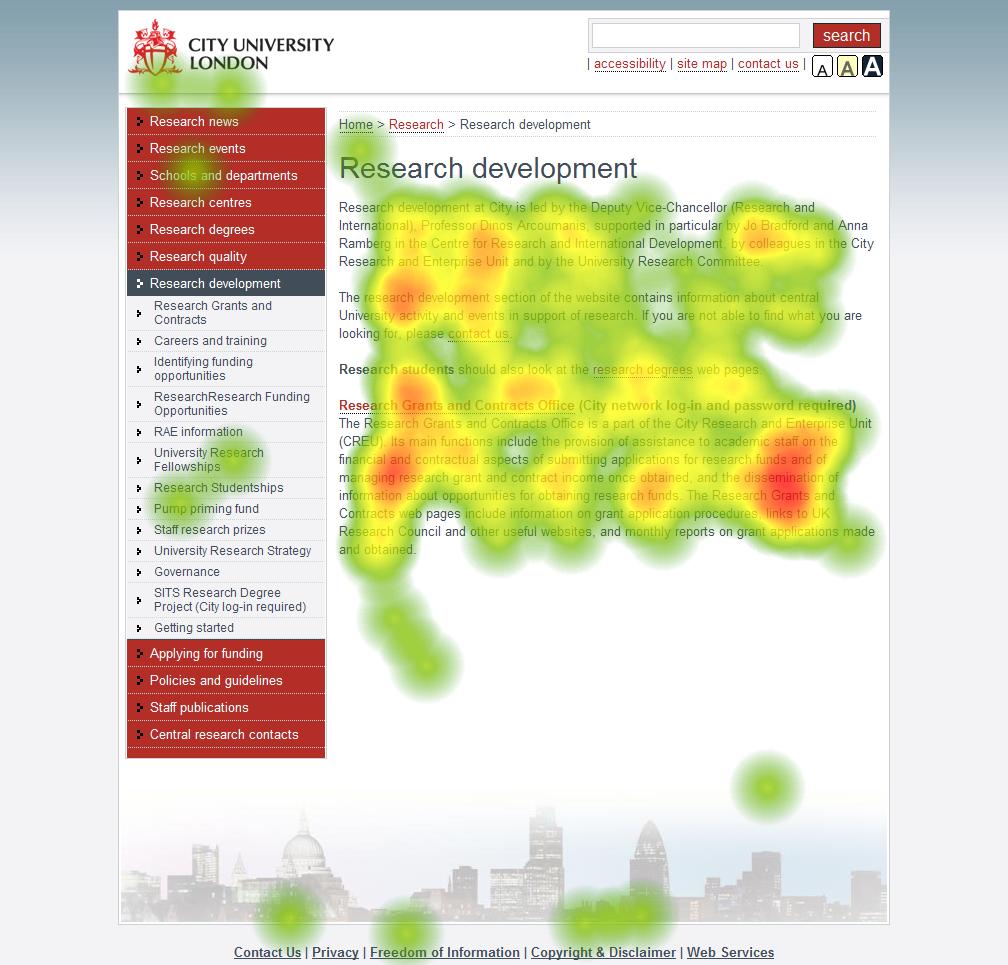
image CC2.0 from wikimedia commons
Lesson 9: Databases and Lesson 11: Encyclopedias
These modules, although on different content, had me asking some of the same questions – how do we make accessible information a priority?
Both databases and encyclopedias come with some significant readability issues. In my earlier analysis of World Book Online and Encyclopedia Britannica School, even the most basic levels of text were written at a grade 8 level. A search through Explora Canada, an elementary level database from Ebsco that I access through my Winnipeg Public Library card, often only gives HTML full text, which removes any visuals that went along with an article. Both issues severely impact a student’s ability to understand complex text. Translation is less of an issue with digital encyclopedias, but databases still seem to be heavily English only.
A note on Wikipedia
This will be of no surprise to anyone who has read any of my discussion posts; but there’s just something so inspiring to me about Wikipedia. It’s often more general, more readable, and written in more languages than its academic counterparts. The Simple English Wikipedia is especially useful. To me, it speaks to the idealism of the early internet as a place where we could all come together, share and learn, regardless of our educational opportunities or socioeconomic status. I’d agree with Nancy O’Neill that it’s the ideal starting place for picking up the terminology, important names, and to give you a general feel for a subject (Berinstein, 2006).
Lesson 10: Bibliographies, Biographies, and Directories
My biggest takeaway from this theme was that I could be doing more work to support, compile, and develop bibliographies for student research. Many of the bibliographies referenced in the Riedling and Houston text were aimed at more senior students. Finding information on the internet is a complicated process, and I’m beginning to think that we are throwing early middle school students into the deep end to find information on topics that they have little understanding (or interest in) and that it is probably impacting their understanding of that content. Perhaps student directed topics are the place to teach ‘searching for information’ skills. When it comes to more specific content where students may not have the necessary background knowledge, I think that curated resources are more useful.
References
Berinstein, P. (2006, March). Wikipedia and Britannica: The kid’s all right (and so’s the old man). The Searcher. https://www.infotoday.com/searcher/mar06/berinstein.shtml
Pernice, K. (2017, November 12). F-Shaped pattern of reading on the web: Misunderstood, but still relevant (even on mobile). Nielsen Norman Group. https://www.nngroup.com/articles/f-shaped-pattern-reading-web-content/
Research help: Finding information on the web: Invisible web. (2019, August 14). Asbury.libguides.com. https://asbury.libguides.com/c.php?g=65758&p=424014
Riedling, A. M., & Houston, C. (2019). Reference skills for the school librarian : tools and tips. Libraries Unlimited.
 themarksey blog

Hey! Congratulations on being done your LIBE program!! You must be very excited. All the best in the future as you move forward in this career. I’ve learned a lot from you and being in courses with you. All the Best Morgan!
LikeLike